


ZenStride Restore | Stop Living Around Foot Pain
ZenStride Restore | Stop Living Around Foot Pain
You Haven't Stopped. You've Just Reorganized.
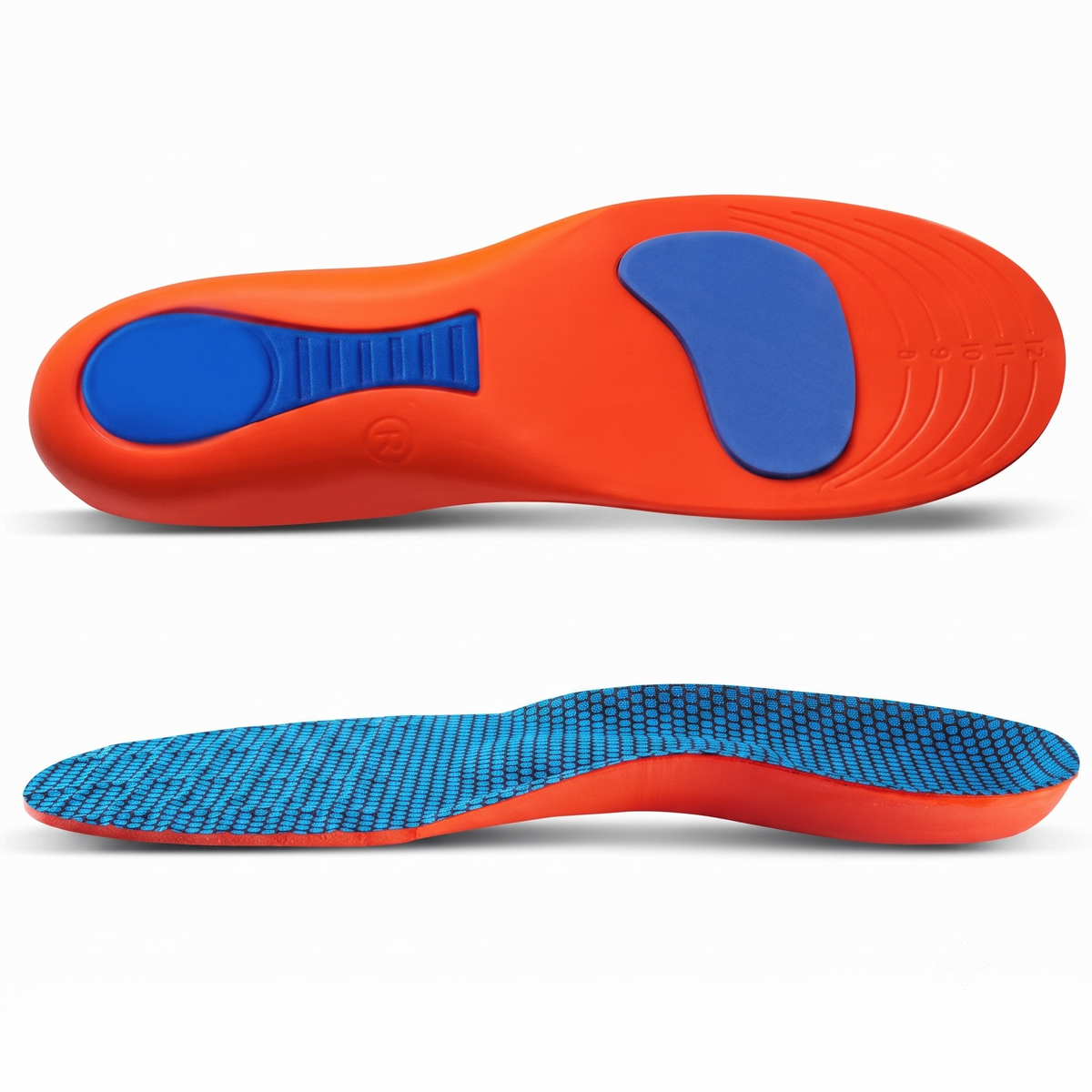
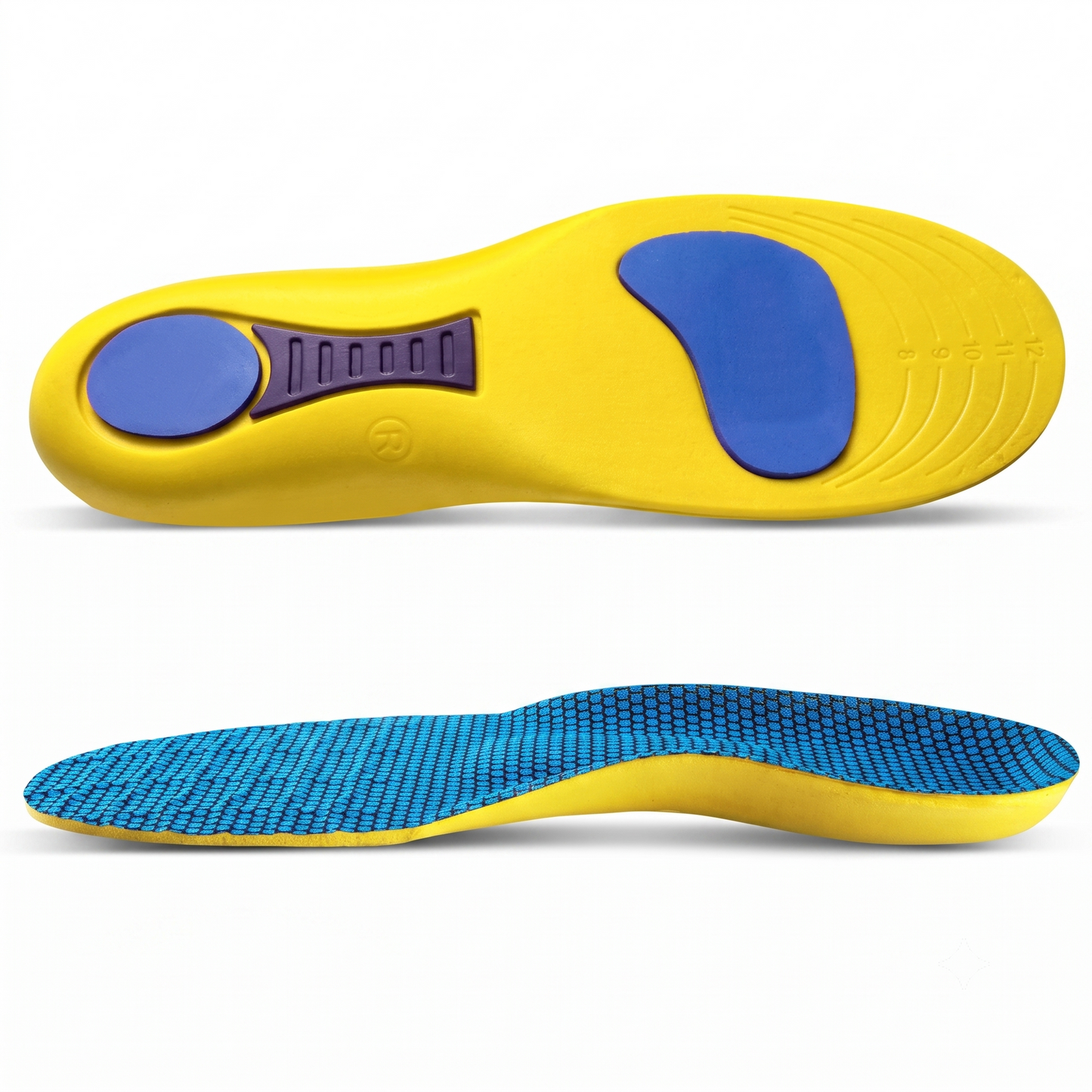
Three points of support instead of two — including the outer edge almost every insole leaves out.
Deep heel cup for hard floors
Arch support that's still there at 4pm
Outer-edge support no other insole gives you
Couldn't load pickup availability
Free shipping on all orders
Free exchanges if sizing doesn't fit
Trim to fit still guaranteed after trim
What to Expect
Days 1-3: Insoles arrive, fit perfectly in your shoes
Days 3-7: Most customers report noticeable relief
Weeks 2-4: Dread is gone. You've stopped thinking about your feet.
Day 60: Full refund available if not satisfied (but 96% keep them)

ZenStride Restore | Stop Living Around Foot Pain
NOT SOLD ON AMAZON/EBAY
View full details


Sizing Chart
| US Men's | US Women's | UK | EU | Length (cm) |
|---|---|---|---|---|
| 3 – 4 | 5 – 6 | 2.5 – 3.5 | 35 – 36 | 23.2 |
| 5 – 6 | 7 – 8 | 4 – 5 | 37 – 38 | 24.3 |
| 7 – 8 | 9 – 10 | 6 – 7 | 39 – 40 | 25.2 |
| 9 – 10 | 11 – 12 | 8 – 9 | 41 – 42 | 26.1 |
| 10.5 – 12 | 12.5 – 14 | 9 – 10.5 | 43 – 45 | 27.8 |
Foot length is measured from heel to longest toe. If you're between sizes, we recommend sizing up

Fine at 8am. Done by 2pm.
Even after the gel inserts. The cushioned shoes. The $500 orthotics that were supposed to be the answer.
Here's what nobody told you.
Every one of those supported two points: your heel, and the inside of your arch. That's the whole design. It's been the whole design for thirty years.
Your foot has three points that matter.
From People Who'd Already Given Up
-

7h ago
I've tried everything over the past five years. Custom orthotics for $600 that felt stiff and didn't fit in all my shoes. Physical therapy that helped temporarily. Expensive insoles that fell apart. I was starting to accept that constant foot ache was just my life now. I ordered these kind of expecting nothing. But within the first two weeks something shifted. The pain stopped ruling my day. I'm walking without limping. I'm standing in the kitchen cooking dinner without watching the clock. That spring in my step I used to have—it's back. I didn't expect this to work and I'm honestly shocked. I'm a customer for life.
2.8k
126 Comments
LikeCommentShare -

3d ago
I work retail and spend my day on my feet on hard floors. By the end of my shift my arches would ache and my legs would feel heavy. Within a week of wearing these the ache was gone. I actually want to shop now instead of just thinking about getting home.
841
23 Comments
LikeCommentShare -

2d ago
I'm 61 and competitive tennis is my thing. Had to stop two years ago because my foot pain made side-to-side movement impossible. A friend from my tennis club recommended these. Skeptical but desperate. First time playing with them in my shoes I felt the difference immediately. I can pivot without pain. I'm back to playing three times a week. These gave me my sport back.
508
19 Comments
LikeCommentShare -

13h ago
I love to dance and my foot pain made it impossible. I was devastated about losing that. These have given me back the ability to dance without dreading the next day. My feet get tired but they don't hurt. The difference is everything.
1.1k
31 Comments
LikeCommentShare


Designed for Your Life
-

Healthcare & 12-Hour Shifts
-

Hiking & Activities
-

The Stairs
-

Morning Foot and Back Relief
-

Sports & Recreation
-

Travel
-

Yard Work
-

WFH on Standing Desk
-

Works in Every Shoes


Go Look at an Old Pair
Dig one out of the closet. Hold it up at eye level, from behind.
All the shape is on the inside edge. The outer edge is flat.
That's not a bad insole. That's every insole.
Soft foam ones feel great in the store and squash down within weeks. That's the "flattened by noon" problem, and it's just what foam does.
Hard custom orthotics fail the other way. A stiff shell pushing up under the inside of your arch, with nothing under the outside, tips your foot outward. It's why some people say their expensive pair made things hurt in a brand new place.
If you spent $500 and you're still reading this page, that's probably why. Wrong number of support points, not wrong brand.


Ground. Hold. Reach.
Three zones. Named for the order a step actually happens in — you land, you hold, you push off.

GROUND — your heel
A deep cup that cradles your heel and softens the hit from hard floors.
The natural padding under your heel gets thinner as you get older. That's normal — it happens to everyone, and it isn't a sign anything's wrong with you. But when it thins out, your heel bone takes more of the impact from every step. The cup holds what's left of that padding in place and adds cushioning on top.
You'd notice it: kitchen tile at 6am. The garage floor. Stone plazas on a trip. The surfaces you plan around.

HOLD — the inside of your arch
Firm support that's still there at 4pm, not just at 9am.
Most support fades by afternoon. This doesn't — it holds its shape through a full day, without the hard, dug-in feeling that makes stiff orthotics unbearable by lunch.
You'd notice it: the afternoon. Specifically, the fold that doesn't happen.

REACH — the outer edge
The part every other insole leaves out.
Every insole holds up the inside of your arch. Nothing holds up the outside.
That's where your foot pushes off. When there's nothing under it, your foot loses leverage — and your legs make up the difference on every single step. Hundreds of small extra efforts, all day.
That's what "heavy legs" at 6pm actually is. It isn't your age. It's a missing support point.
ZenStride adds a raised support point along the outside of your midfoot — the one part every other insole skips.
You'd notice it: hour nine. When your legs feel like they did more work than the day should have cost.
Why Two Points Was Never Enough
Prop up one side of a table and it doesn't get steadier. It tilts.
Your foot is the same. Hold up the inside, leave the outside of your midfoot bare, and the weight doesn't balance — it shifts.
Then it travels. Your foot can't steady itself, so your knee takes the twist. Your hip shifts to match. Your lower back stiffens up by evening.
Which is why so many people who start out with sore feet end up describing sore knees.
ZenStride is a support insole. It's not a medical device, and it's not a cure.
What it does is rebuild the foundation your body has been compensating for — so the compensation can stop.
Most customers report their feet feel better first, and their knees, back, and legs follow over the next few weeks.
But we can't promise a specific outcome for you, and we won't pretend to.

Plantar Fasciitis
That first step out of bed. You brace for it before your foot even lands.
- Deep heel cup — cushions the spot that hurts most in the morning
- Firm arch support — takes the daily strain off the band of tissue running along the bottom of your foot
- Midfoot support — keeps your foot balanced so the inside isn't doing all the work

Heel Pain
Hard floors are the enemy. Tile, concrete, the walk to the bathroom before your shoes are on.
- Deep heel cup — holds the natural padding under your heel where it belongs
- Cushioned base — softens the impact your heel takes on hard ground
- Firm arch support — spreads the load so your heel isn't taking all of it

On Your Feet All Day
Hour nine of a twelve-hour shift. Every step is a negotiation and there's still time left on the clock.
- All three zones together — support that lasts a full shift, not the first hour
- Midfoot support — stops your legs from covering for a missing support point
- Firm arch support — holds its shape at hour ten, not just hour one

Your Arch Gives Out
Fine in the morning. By two o'clock you can feel it folding.
- Firm plastic spine — doesn't squash flat the way foam does
- Midfoot support — holds the side that's been bare this whole time
- Deep heel cup — keeps your foot centered so it isn't rolling inward all day
WHAT'S INSIDE

WHO THESE AREN'T FOR
We'd Rather Tell You Now
Not a medical device. These go in your shoe. If you've been diagnosed with something, they sit alongside your treatment, not instead of it.
Won't fix the wrong shoe. If your shoes pinch, start there.
Not for every foot. If you have high, stiff arches that don't flex much side to side, firm support under the outer edge can feel like pressure instead of help. If other insoles have felt aggressive to you, that's likely why. Talk to your podiatrist first, or email us and we'll help you work it out.
We'd rather lose the sale than have you find that out on day 40.

THE TRIAL
60 Days. Your Shoes. Your Real Days.
You've been burned. So here it is with the fine print removed instead of hidden.
Wear them. Not a lap around the kitchen. A full week of ordinary days.
Cut them to fit. Guarantee stays valid on trimmed insoles.
Take all 60 days. This is structural support. You judge it over weeks.
If it doesn't work, email us and we'll refund you. If this doesn't pan out for you, you've got 60 days to email us for a full refund.
We can offer it this way because the claim on this page is easy to check. Either your arch is still holding at 4pm and your legs feel lighter at the end of a long day, or it isn't and they don't. You'll know.

The Build
- EVA foam on top for cushioning,
- reinforced with TPU underneath for structure — one connected piece tying the arch support to the midfoot support.
- Breathable honeycomb fabric on the surface.
- 80g a pair, trims to fit with scissors.
What People Are Saying...
Questions? We've got answers.
"I've tried five insoles. Why is this different?"
"I've tried five insoles. Why is this different?"
The others were solving a two-point problem. Your foot has three. Heel, inside arch, outside of the midfoot. Everyone covers the first two. The third is the one that governs push-off — leave it out and support that felt fine in the morning has nothing left by late afternoon.
A better two-point insole is still a two-point insole.
"My podiatrist said get custom orthotics."
"My podiatrist said get custom orthotics."
If they work for you, keep them. But most custom orthotics are built on the same two-point idea as a drugstore insole — just molded to your foot and priced at $500.
Getting the inside of the arch exactly right doesn't add a support point on the outside.
"Will they fit my shoes?"
"Will they fit my shoes?"
They're 80g a pair and you trim them with scissors. Sneakers, work boots, walking shoes, most casual shoes.
Take the existing insole out first — these replace it, they don't stack on top. Very shallow dress shoes are the usual exception.
"How long before I know?"
"How long before I know?"
Give it a week of ordinary days before you judge, and the full 60 before you decide.
Watch two things: whether your arch still feels supported late in the afternoon, and how your legs feel at the end of a long day.
"Will they feel like the hard orthotics I hated?"
"Will they feel like the hard orthotics I hated?"
They shouldn't. The problem with stiff orthotics is a hard shell pushing up under one side of your foot, so all the force lands in one place. These are foam over a firm spine, with the load shared between the inside and outside edge instead of piled on the inside.
The exception is the stiff high-arch case in the "WHO THESE AREN'T FOR" Section. If that's your foot, read that first.
"Do these treat plantar fasciitis?"
"Do these treat plantar fasciitis?"
No, and we won't say otherwise.
These are support, not treatment. Plenty of people with that diagnosis use them, and the zones support the same structures that tend to be involved — but if you've been diagnosed, this goes alongside your care, not instead of it.
"Can I put them in more than one pair of shoes?"
"Can I put them in more than one pair of shoes?"
Most people end up wanting a pair for work shoes and a pair for everything else.
That's what the multi-pair bundles are for.

The ZenStride Promise
✓ 60-day money-back guarantee
✓ Free shipping & exchanges
✓ Recommended by physical therapists
✓ 4.7★ rating from verified customers
✓ Premium EVA + TPU construction
You know what your life looks like when your feet work.
You've lived it.
You remember the spring in your step, the ability to keep up, the confidence of standing without pain.
That's not behind you. It's just been waiting for you to invest in it.
ZenStride isn't managing pain. It's restoring capability.
Sixty days. Try them. If your arch isn't holding by the end of the day, or your legs still feel like they did double the work, send them back.
But they will.
Your feet are ready. So are we.
Get Yourself Back.
Three Points. Sixty Days to Judge It.
You've supported your heel and the inside of your arch for years. That was never the whole foot.